Commuter Choice, a trailblazing, innovative and competitive grant program, reinvests Express Lanes toll revenues in public transit and other transportation improvements along the I-66 and I-395/95 corridors in Northern Virginia.
Program Goals
Commuter Choice projects benefit Express Lanes toll payers by expanding travel options and helping more people move more efficiently through the I-66 and I-395/95 corridors, thereby lessening congestion and supporting reliable travel speeds.






The FY 2027-2028 I-66 Commuter Choice public comment period is open through April 3, 2026.
To view the projects under consideration for funding, click here.
To make a comment:
- Take the Commuter Choice online survey in English o en Español
- Send an email comment to: commuterchoice@novatransit.org
- Call 571-348-4622 and leave a message with your comments (up to 3 minutes)
Commuter Choice, established in 2017, is a partnership of the Northern Virginia Transportation Commission (NVTC) and the Commonwealth of Virginia. The program invests toll revenues from the I-66 and I-395/95 expressway corridors in Northern Virginia into transit and multimodal projects that benefit their respective corridor’s toll road users. Commuter Choice aims to improve the lives of Northern Virginians by supporting the regional economy, increasing mobility options, and reducing congestion and emissions.
Commuter Choice supports mobility goals for both expressway corridors by funding multimodal transportation improvements that move more people, expand transportation options and make the transportation network work better for commuters.
NVTC receives a portion of the revenues from I-66 Inside the Beltway peak-period, peak-direction tolling, a portion of the I-66 Outside the Beltway Express Lanes concessionaire’s annual payment to the Commonwealth, and an annual payment from the Commonwealth and its I-395/95 Express Lanes concessionaire to invest in multimodal transportation projects that benefit users of the respective toll facility. Commuter Choice supports local jurisdictions and transit agencies by offering both capital and operating funds for a range of improvements, including transit service enhancements.
Jurisdictions and transit agencies shown in the figure below are eligible to apply for Commuter Choice funding.

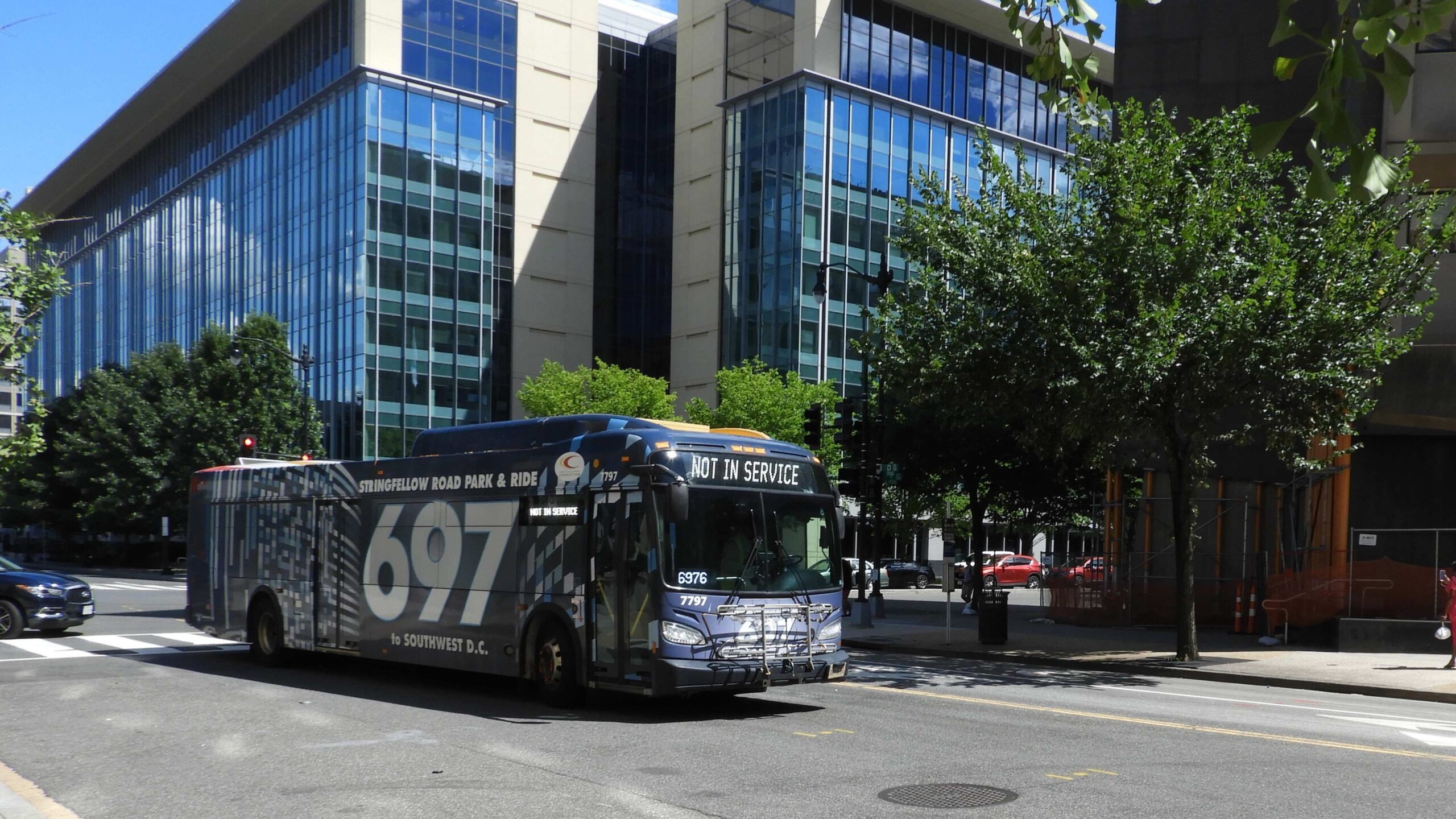
Commuter Choice has increased I-66 Inside the Beltway and I-395/95 corridor commuters’ travel options by funding expanded local and express bus service and infrastructure improvements to make accessing and using transit easier and more attractive, among other enhancements. To maximize the benefits that Commuter Choice provides to toll payers, NVTC encourages Northern Virginia jurisdictions and transit operators to pursue funding for capital projects that will help to improve travel in the two corridors for years to come. For more information on the strategies that Commuter Choice has supported and the impacts of these investments, please see the Commuter Choice Funded Projects page.
Local and Commonwealth investment in public transit and other multimodal projects is essential to ensure the availability of reliable transportation to cover basic needs and to provide access to educational and career opportunities in the Washington metropolitan region. Even people who do not use Commuter Choice-funded services benefit from the growth of a safe, sustainable and more connected transportation network.